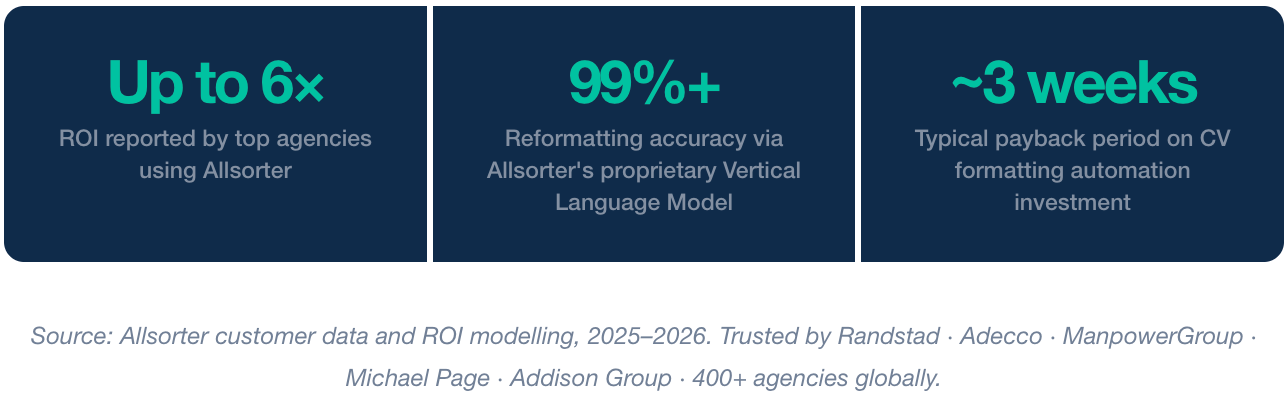
The recruitment software market has never been larger, more fragmented, or higher-stakes to navigate. Agency owners in 2026 are evaluating hundreds of tools with overlapping feature sets and vendor claims that rarely survive contact with real workflows. The decisions made at the selection stage, which categories to invest in, which to deprioritise, which integration requirements are genuinely non-negotiable, determine not just operational efficiency, but whether an agency can compete at the speed and quality clients now expect.
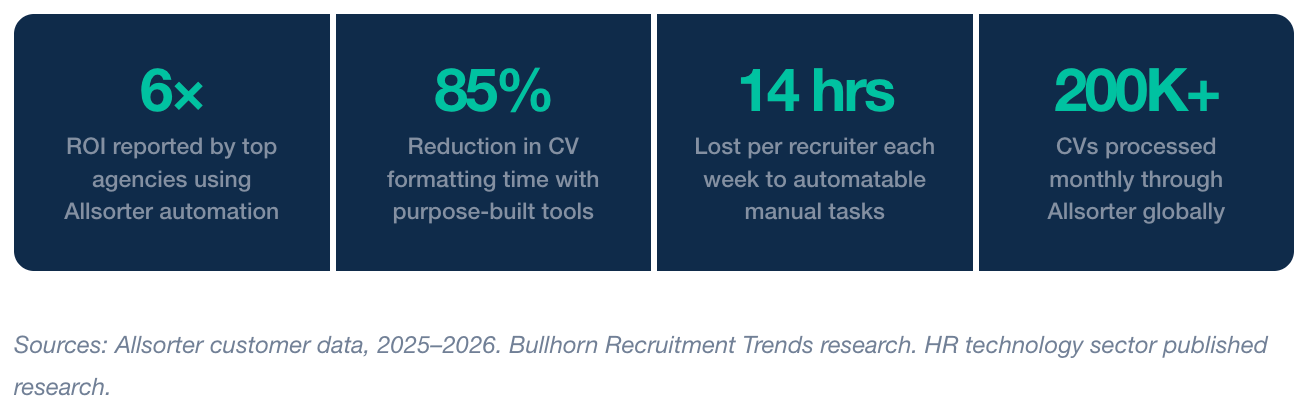
The gap between agencies that have built the right software foundation and those still operating on disconnected, partially manual workflows is widening materially. Bullhorn's Recruitment Trends research, which surveys thousands of staffing and recruitment professionals globally each year, has consistently found that technology investment is one of the clearest differentiators between high-growth and stagnating agencies. The agencies that consistently outperform are not necessarily larger or better-resourced. They are better tooled.
Why Choosing the Wrong Recruitment Software Costs More Than Choosing Nothing
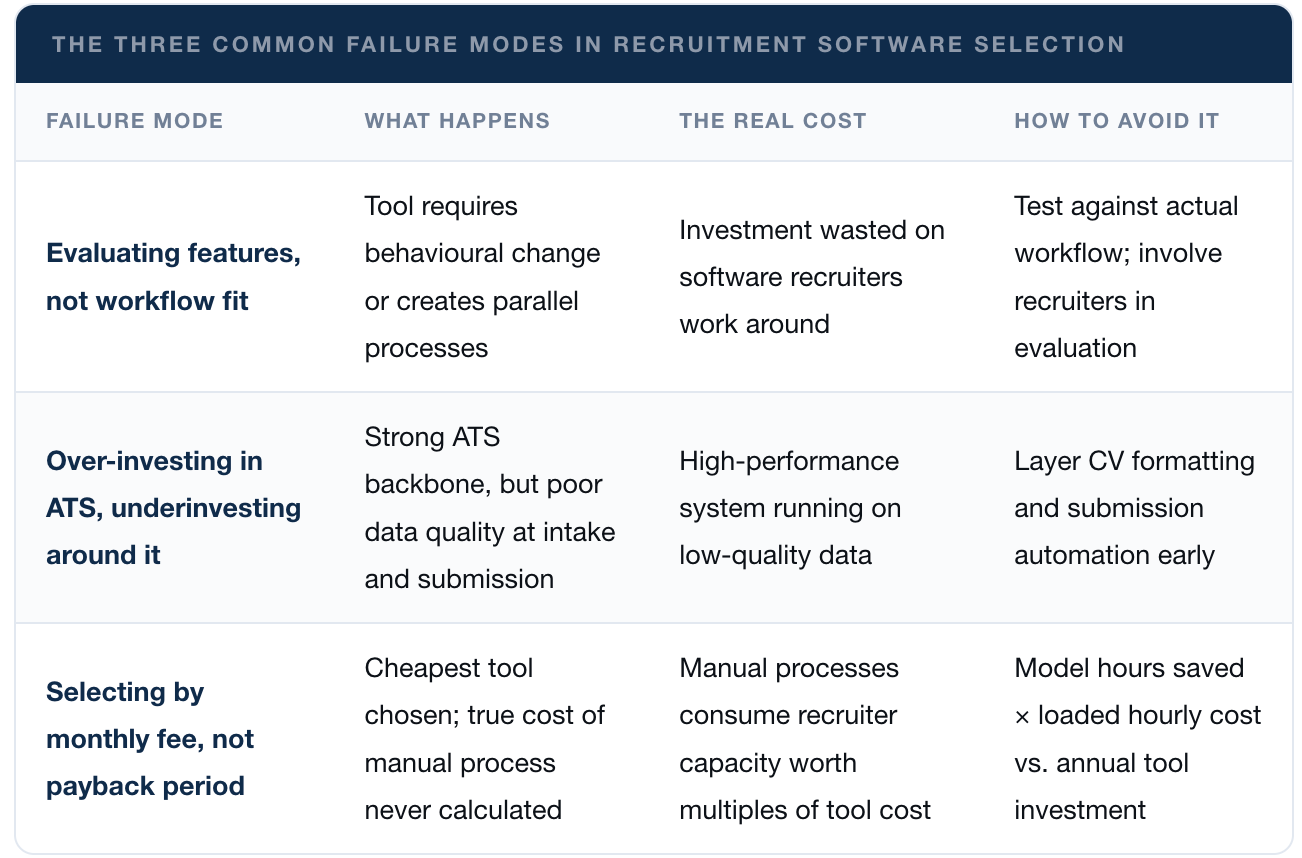
Before examining categories and tools, it is worth understanding why software selection decisions go wrong so consistently in recruitment, because the failure modes are predictable and avoidable.
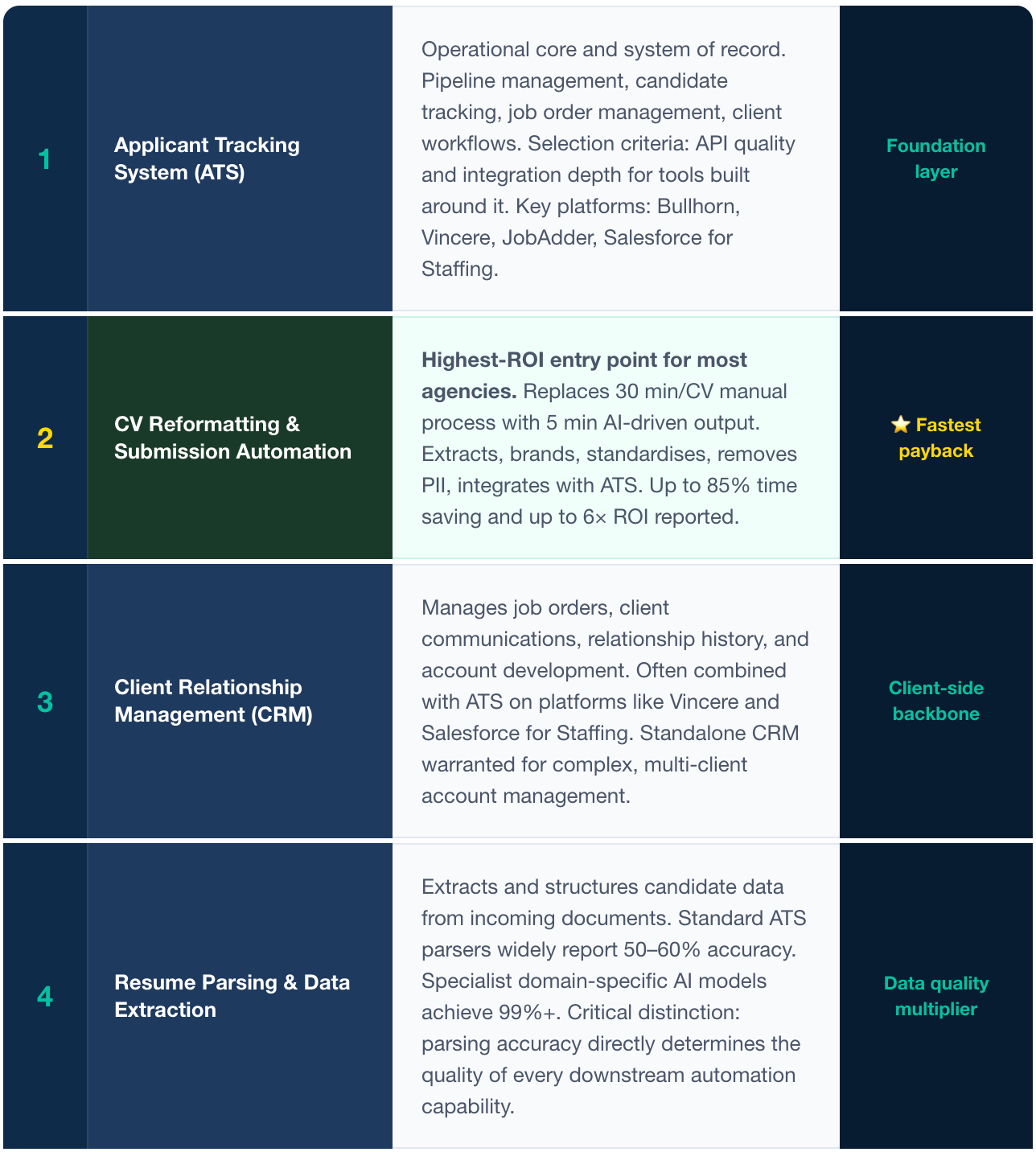
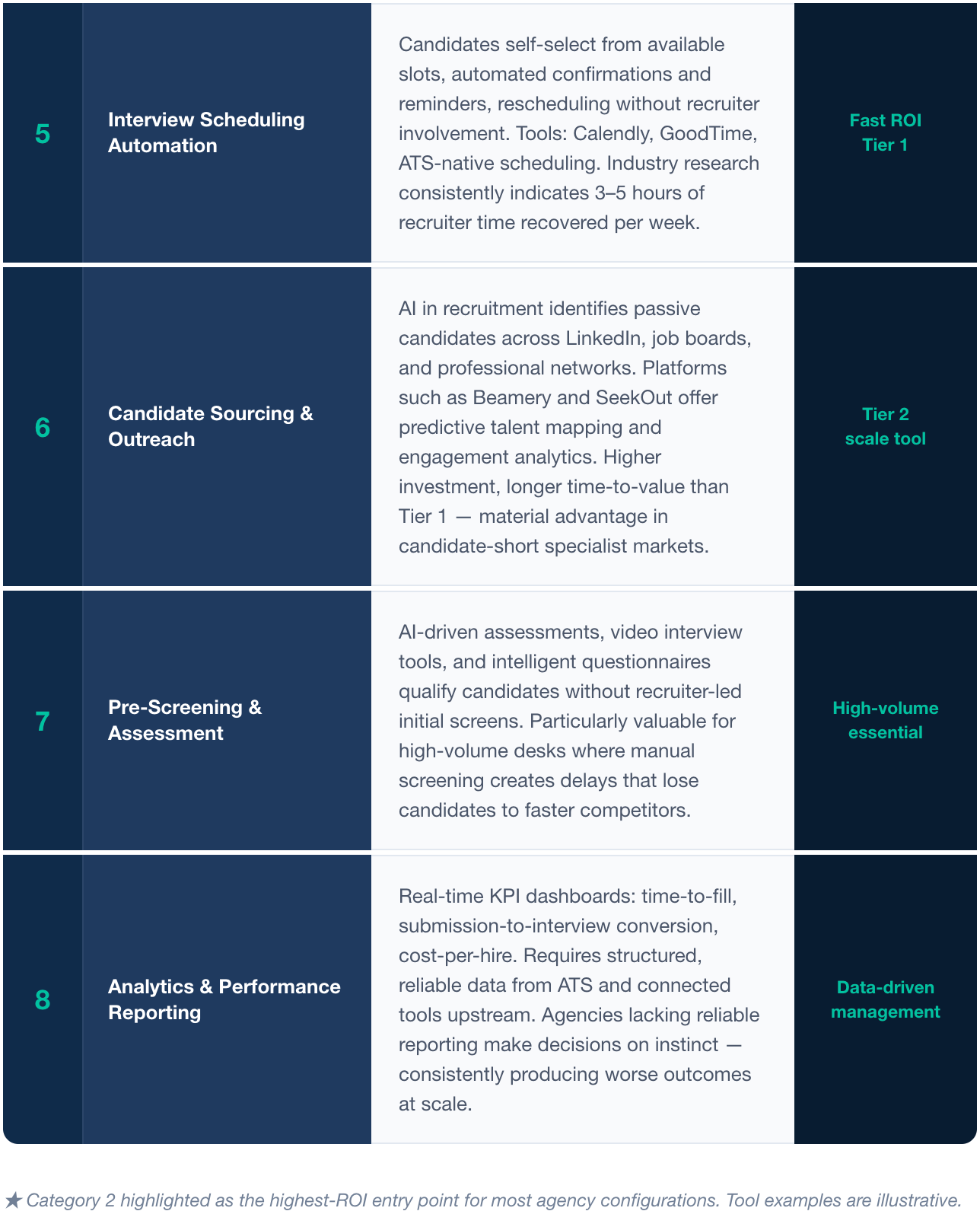
The Eight Software Categories Every Agency Owner Needs to Understand
Recruitment software for agencies is not a single product decision. It is a stack decision, an interconnected set of recruitment automation tools that collectively determine how efficiently and effectively the agency operates from candidate intake through to placement.
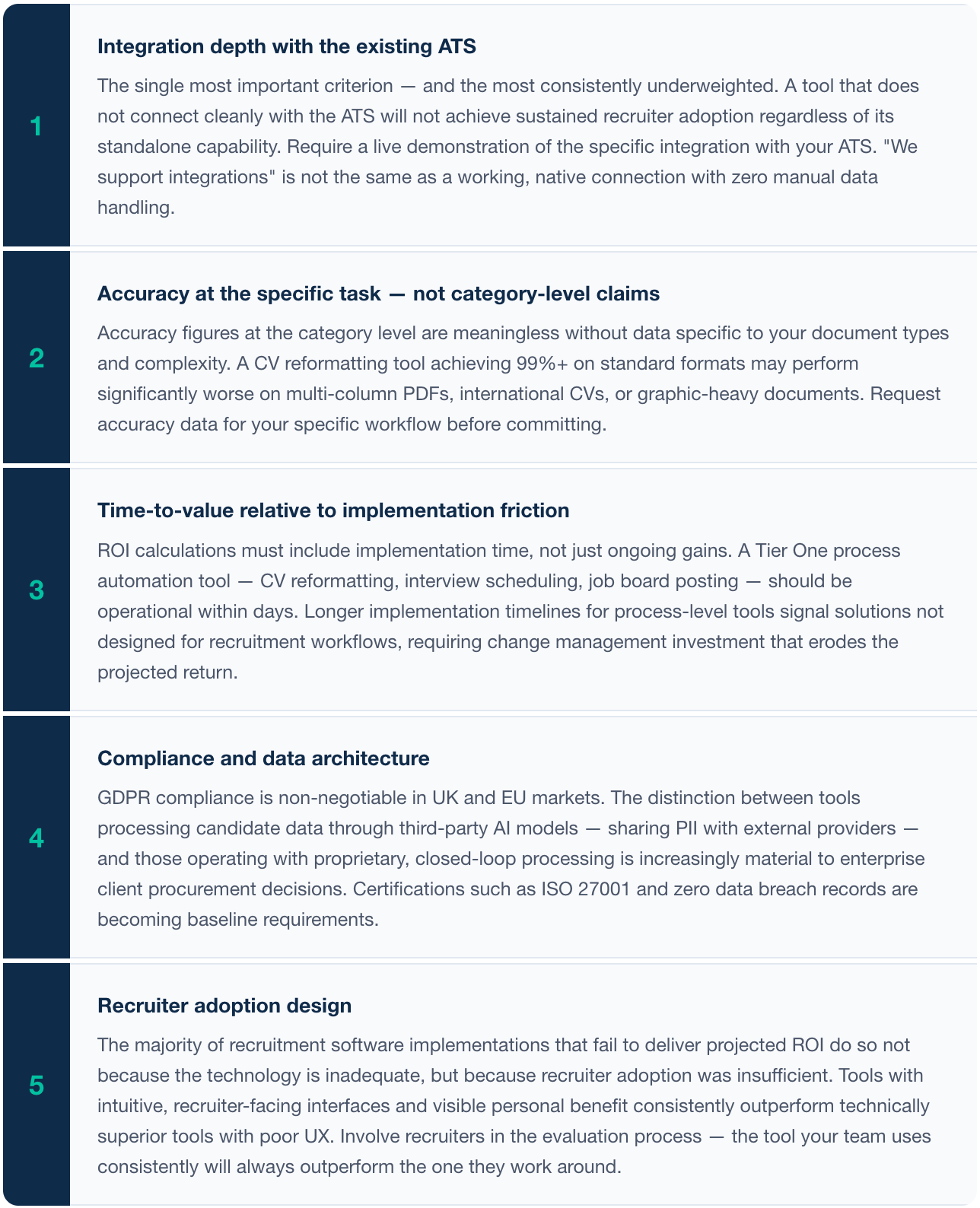
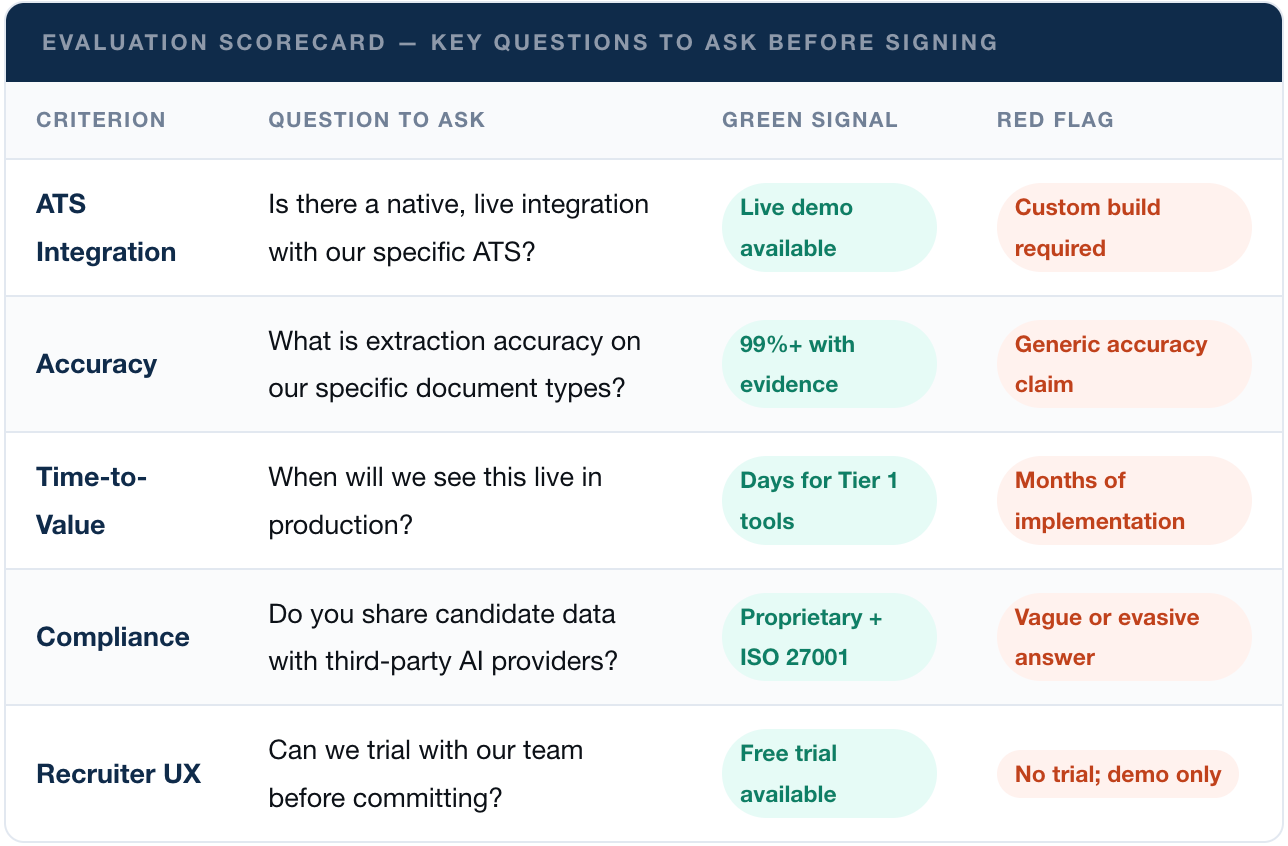
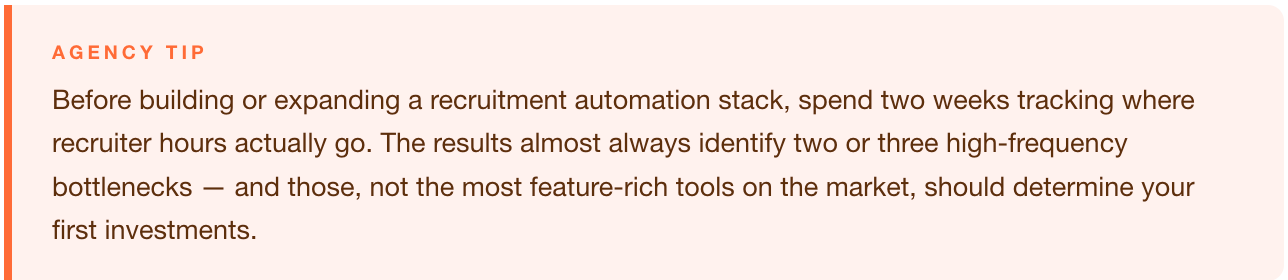
How to Evaluate Recruitment Software: Five Criteria That Actually Predict ROI
Feature comparisons between tools in the same category frequently obscure more than they reveal. The questions that actually predict whether a recruitment automation tool delivers ROI in a real agency environment are fundamentally different from the ones that dominate product demonstrations.
The ROI Framework: Translating Software Investment Into Business Outcomes
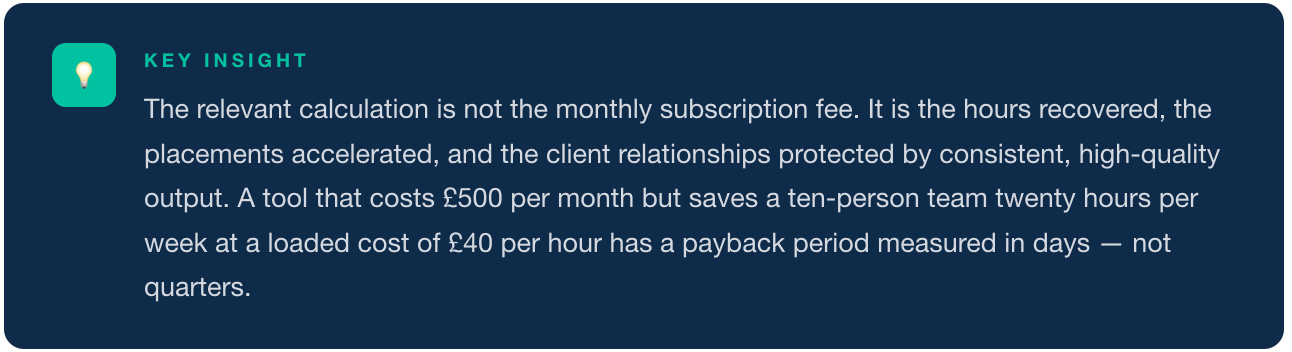
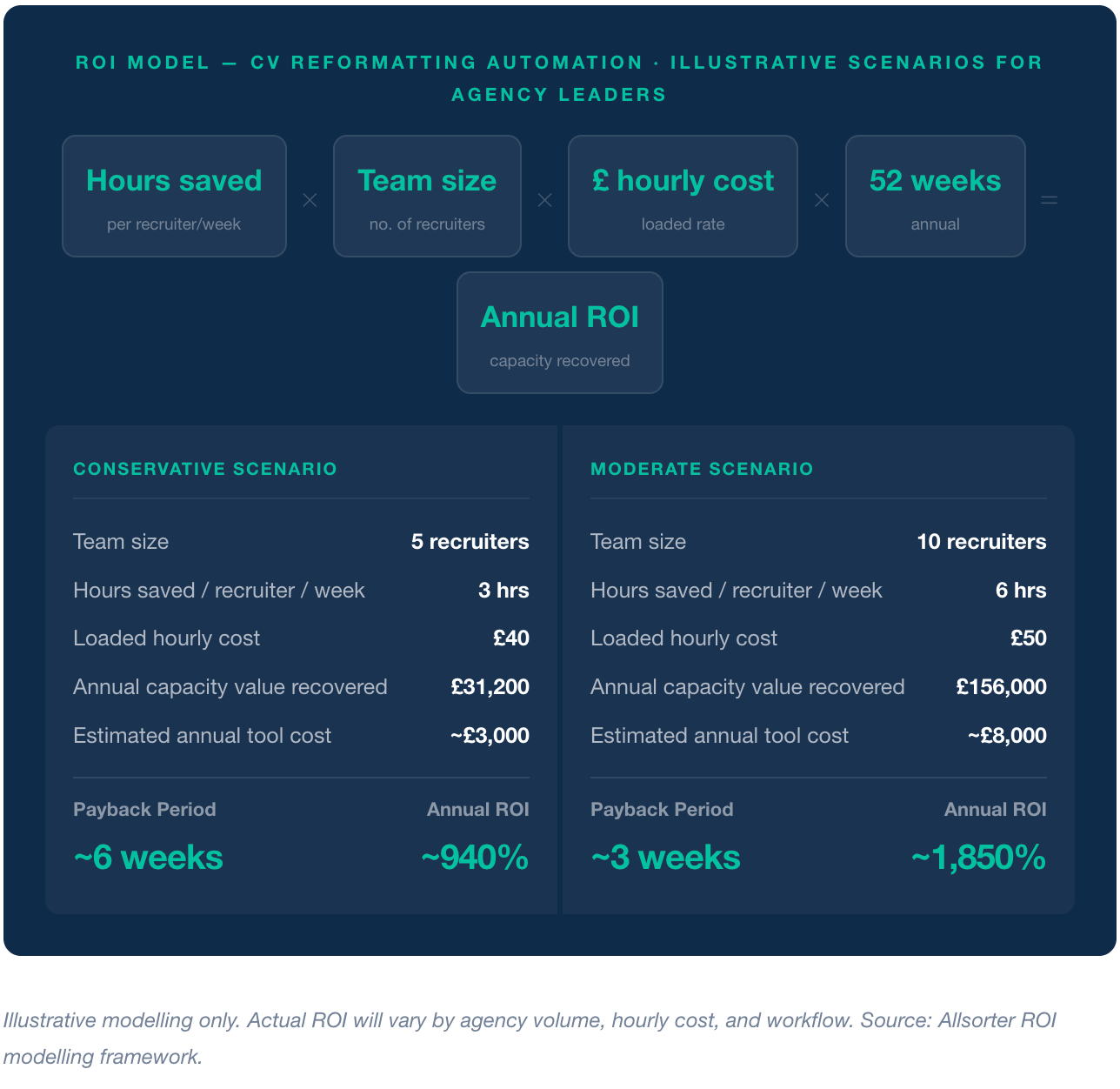
Agency owners evaluating the best recruitment software for their business should apply a consistent ROI framework rather than relying on vendor case studies. The structure is straightforward: quantify the hours per week currently consumed by the task the tool addresses, multiply by the loaded hourly cost of the recruiter performing it, then compare the annual cost of the manual process against the projected time reduction at scale and the annual tool investment.
For CV reformatting automation, the model produces compelling results at every agency size.
Building the Right Stack for Your Agency's Growth Stage
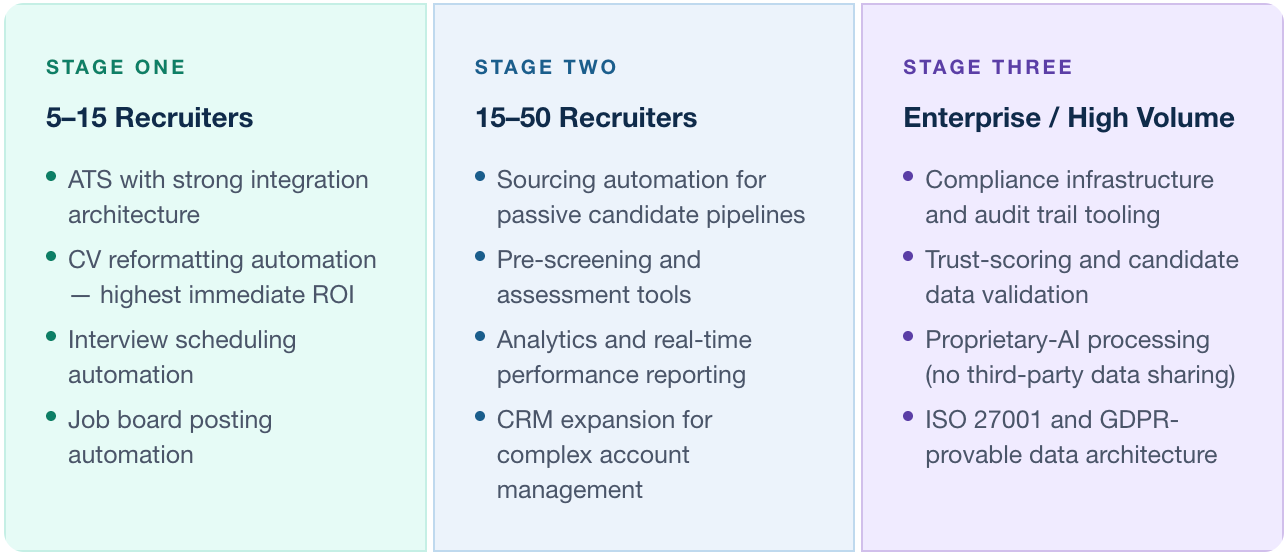
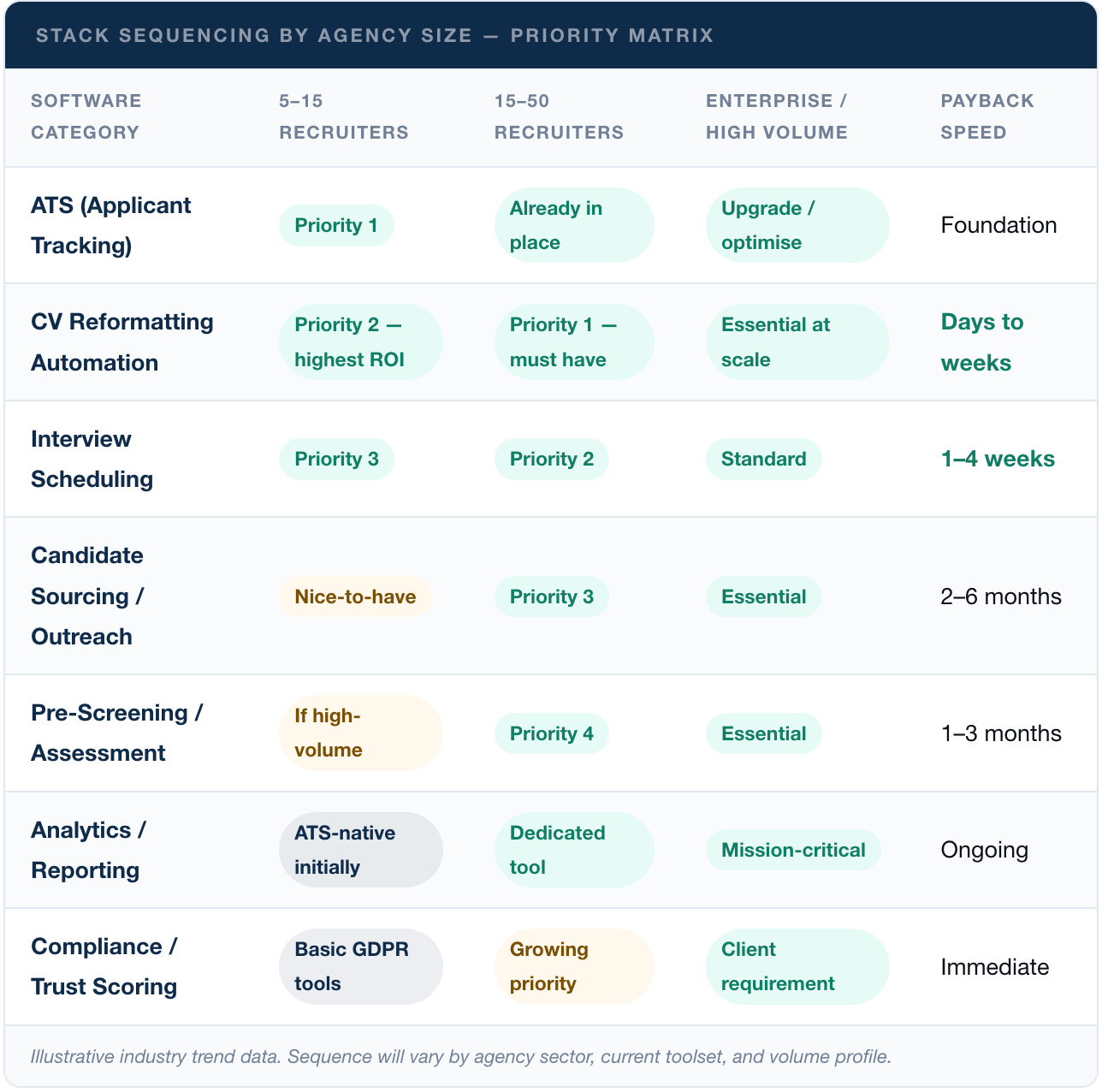
Not every agency needs the same software configuration. The right recruitment workflow automation stack depends on team size, volume, sector specialism, and current operational maturity. The sequence in which tools are added matters as much as which tools are selected.
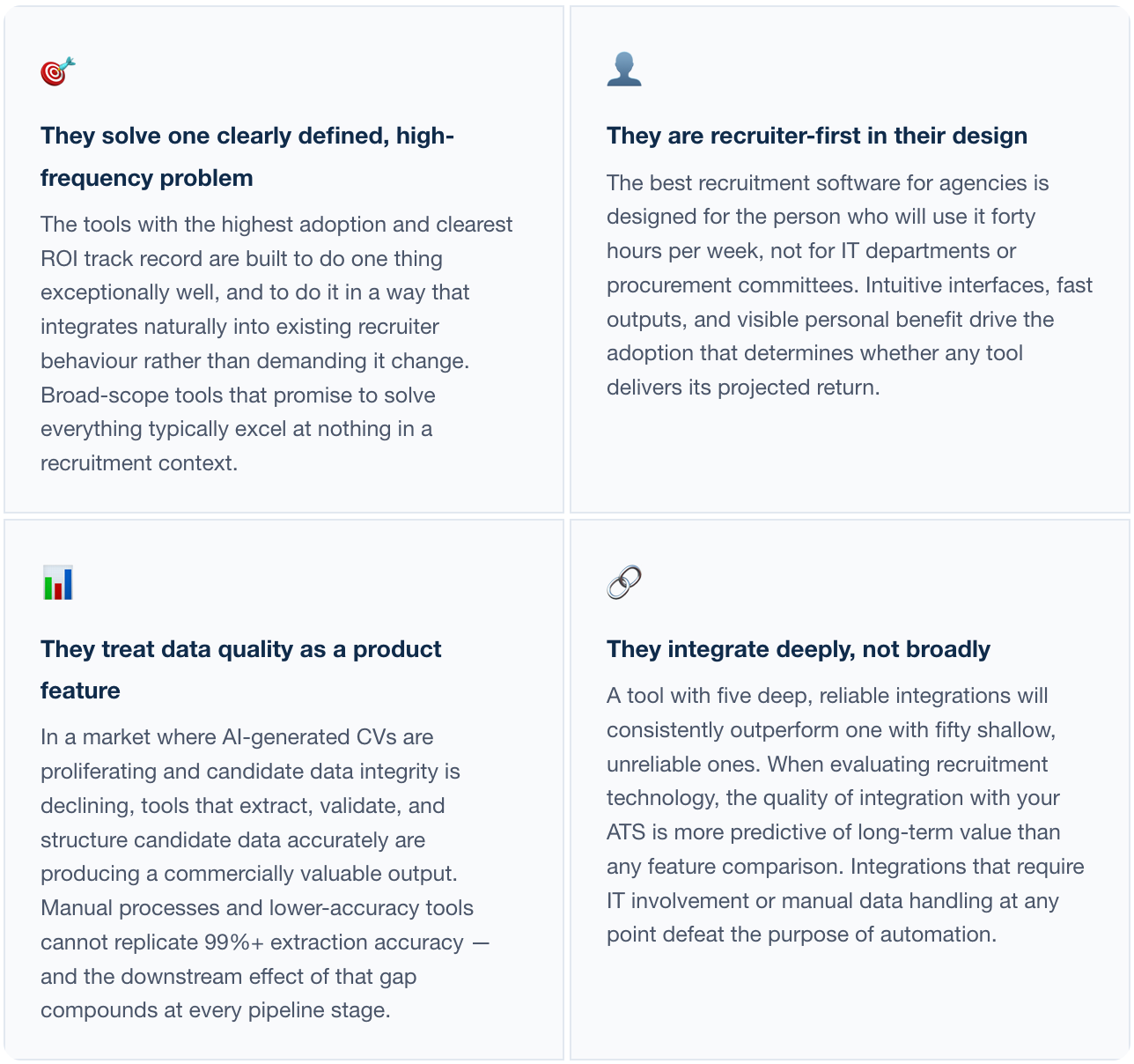
What the Best Recruitment Automation Software Has in Common
Across categories and use cases, the recruitment automation tools that genuinely deliver for agencies share four characteristics worth holding as a consistent evaluation lens, regardless of which software you are reviewing.
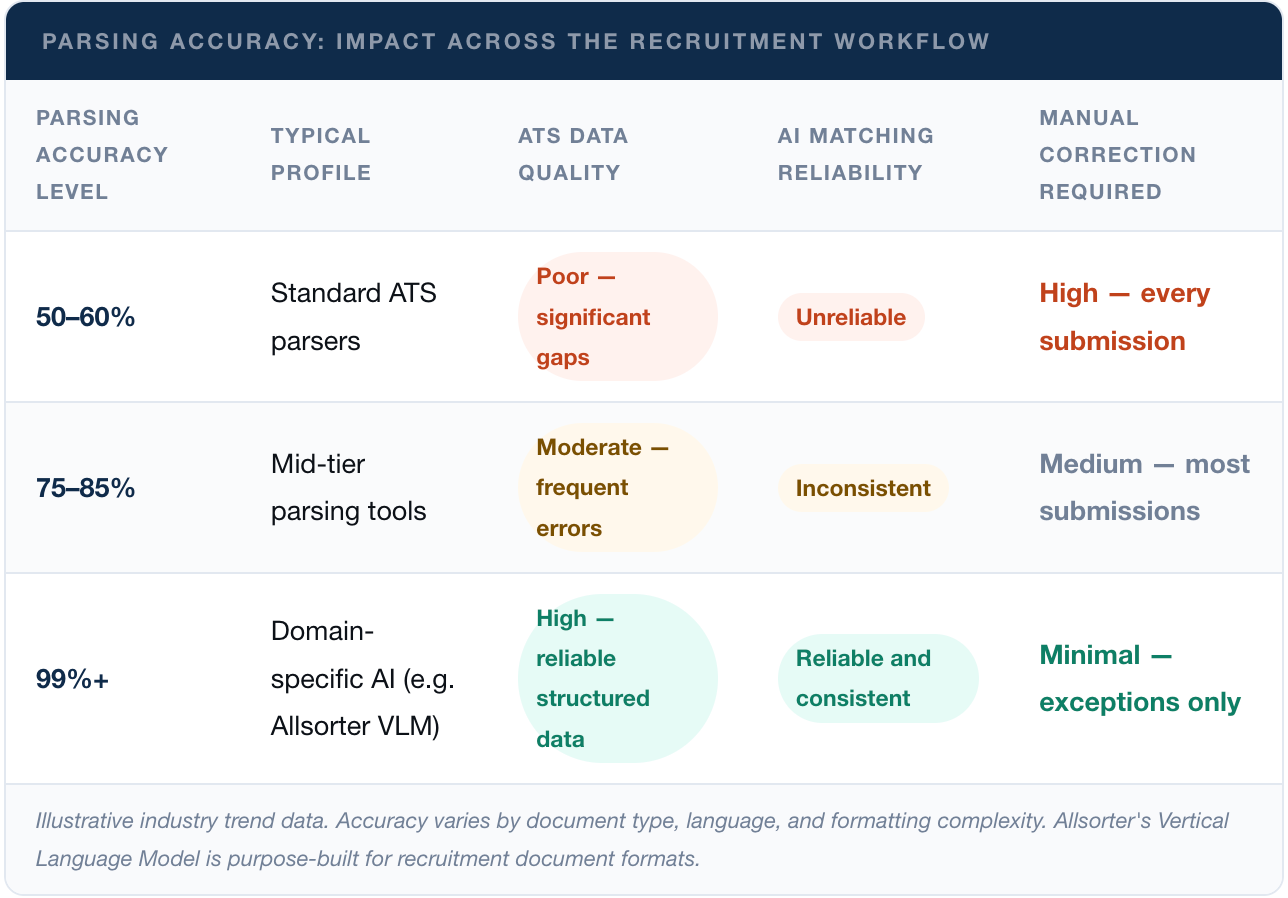
Parsing Accuracy: Why This Number Matters More Than Any Feature List
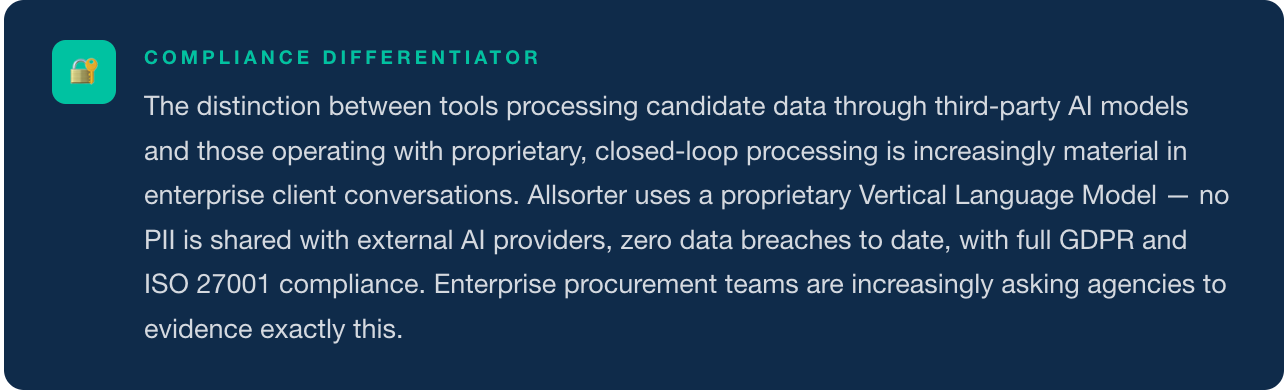
One of the most consequential, and most poorly understood, differences between recruitment automation tools is parsing accuracy: the percentage of candidate data correctly extracted and structured from source documents. Because every downstream tool in the stack depends on this data, accuracy at the extraction stage is a force multiplier that affects placement outcomes far beyond the formatting workflow.
The Investment Decision That Compounds
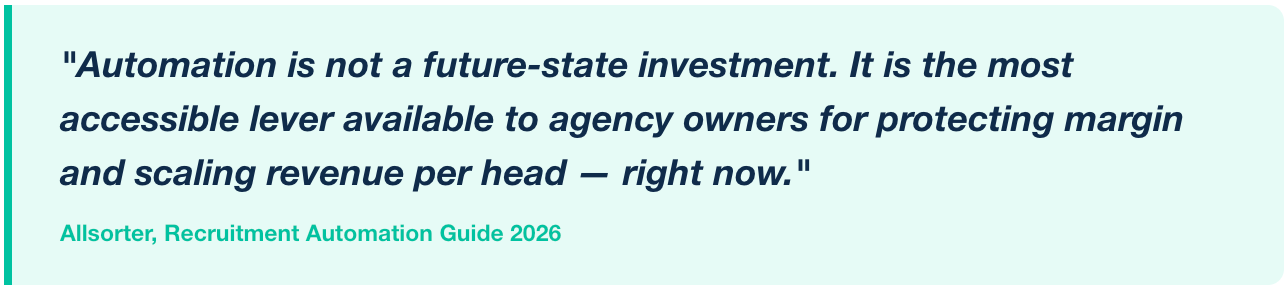
The best recruitment automation software for agencies in 2026 is not the most feature-rich, the most established, or the most widely marketed. It is the software that integrates cleanly with how your team works, delivers measurable ROI within weeks of deployment, and builds a data quality foundation that makes every subsequent recruitment technology investment more effective.
That compounding effect, more capacity per recruiter, faster submissions, better data, stronger client confidence, is what separates the agencies that will lead in 2026 from those that will be catching up.